Renter Resources · UNC Charlotte · Student Life
The Dorm Kitchen Was Never About Food: How Shared Cooking Built College Friendships
College friendships are mostly built by accident. Not at orientation, not at club fairs — in the unplanned minutes when two people happen to be in the same room with nothing scheduled. For students at UNC Charlotte, that used to happen in the residence halls of University City almost without effort.
For decades, on-campus living — and primarily the dorm kitchen — was the most reliable accident-generator on a college campus. You went in to make something, somebody else was already there, and twenty minutes later you knew them.
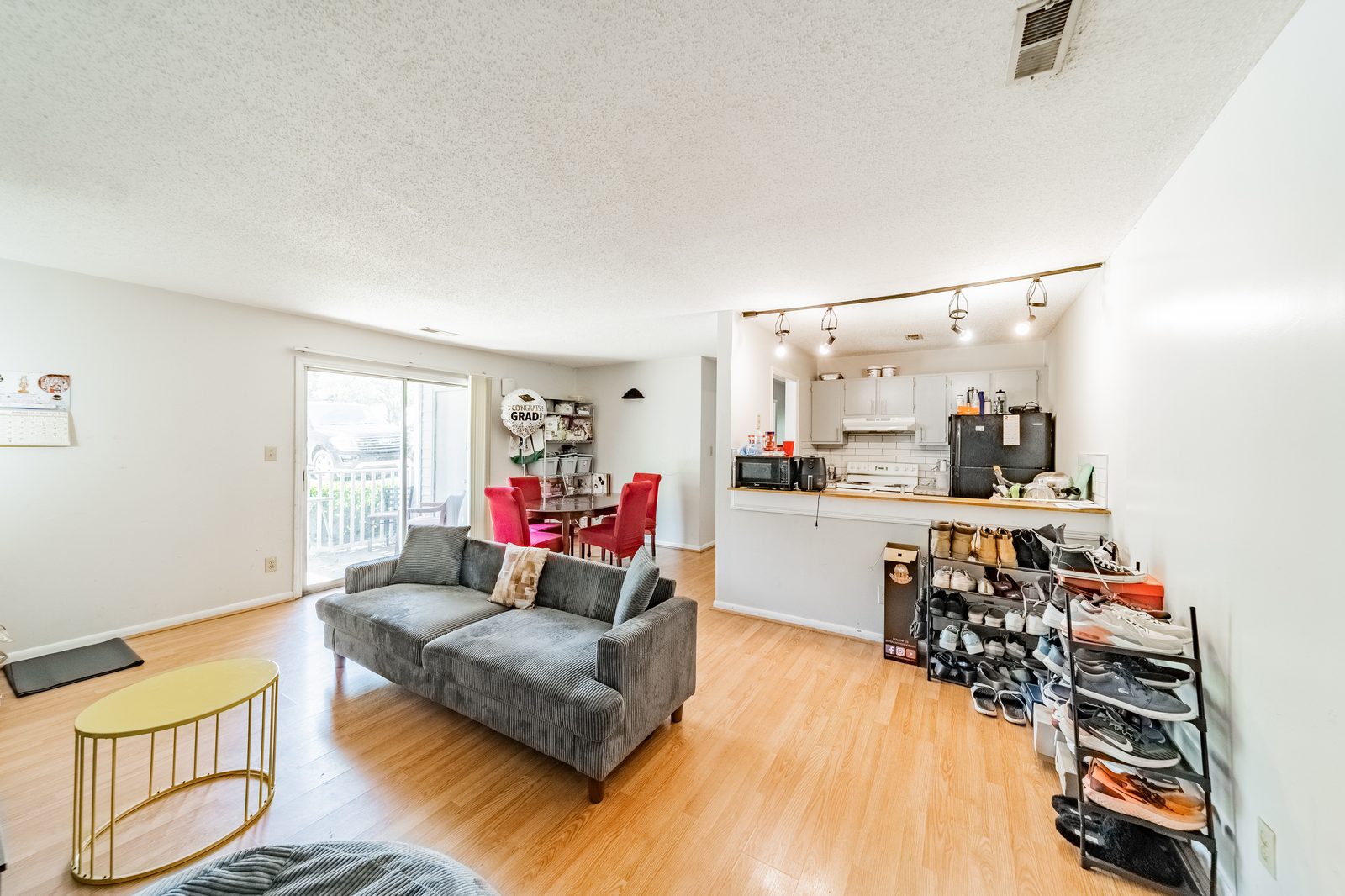
That mechanism has quietly weakened. Not because students stopped wanting friends, but because the situations that used to force people into the same room have been engineered away. Before, students did not have many options if they were bored — no Netflix, no food delivery service (other than pizza and Chinese), no TikTok, and no socials at all — and so they went down to the kitchen to see who was there. Being bored allowed students to get out of their dorms and interact — simply because of boredom.
So why are we focusing on the dorm kitchen?
Because the kitchen has always been about much more than food. For thousands of years, people have gathered around food. We cook together, eat together, talk while something is simmering, offer someone a bite and linger after the meal is finished. The kitchen became known as the heart of the home because it is one of the few places where people repeatedly come together without needing a reason to socialize.
What the research says
Students say the same thing about campus. In Sodexo’s 2024–25 Student Lifestyle Survey, 30% of students named campus dining as the single biggest driver of community on their campus — ahead of clubs, athletics and residence life. Food is not a side detail of belonging. For a large share of students it is the main mechanism.
Students did not have to decide to make friends before walking into it. They were simply hungry. Someone was making pasta. Someone else was waiting for the microwave. Another student walked in looking for a fork. A roommate came through and asked whether anyone needed anything from Harris Teeter. None of those interactions sounds important.
That is precisely why they were important. Friendship research consistently points to several conditions that help relationships form: proximity, repeated contact and opportunities for informal, low-pressure interaction. A communal kitchen naturally supplied all three.
“A lot of students living off campus purposely choose certain complexes BECAUSE it fosters a sense of community – even if they live in different apartments within the same complex – they cook together, share food together, and shop together. It bonds them.”
— Halah Kablan Ladson, Broker-in-Charge, QCMS
| What helps friendships form | How the dorm kitchen supplied it | What can change off campus |
|---|---|---|
| Proximity | Everyone on the floor used the same space | Your kitchen is behind your apartment door |
| Repetition | Students crossed paths repeatedly | Roommates may eat on completely different schedules |
| Unplanned contact | Nobody had to arrange the interaction | Seeing friends often requires making a plan |
| Low pressure | The conversation could be about a pan | A planned social event carries more expectations |
What changed?
Students did not get more antisocial with the newer generations. Three things changed, really, that has had a major impact: Food stopped requiring a kitchen, eating became something you do alone, and the alternative to leaving your room got extremely good. Together they removed most of the ordinary situations that used to put students in the same room without anyone planning it. The appetite for connection did not change. The accidental encounters of naturally being around people for no reason did.
Food stopped requiring a kitchen
Delivery, prepared foods, and dining-hall convenience mean a student can eat well for four years without ever standing at a stove. The meal still happens. The room where it used to happen does not.
Eating became individual
Ordering is a solo act by default — one order, one bag, one name on it. A pot of pasta is inherently shareable. A delivery bag is inherently not. Cooking does not automatically create community, and ordering food certainly does not make someone antisocial. But shared food creates very easy openings:
- I made too much.
- Do you want some?
- I’m going to the grocery store. Do you need anything?
- We’re making tacos tonight if you want to eat with us.
These are unusually effective social invitations because they barely feel like invitations at all. Nobody has to say, Would you like to become my friend? There is just an extra plate.
Options became plentiful
Previous generations got bored and wandered out. Boredom, as a social mechanism, has largely been solved — which removed the accidental push into shared space. You wandered downstairs. You knocked on someone’s door. You went looking for somebody. You sat in the kitchen because people were there. Today, a student alone in a bedroom has essentially unlimited entertainment and communication available without opening the door. That does not mean students prefer screens to people. It means boredom no longer does as much of the work of bringing people together.
Are college students actually lonelier?
Yes, and the numbers are not subtle. In a February 2024 survey of 1,089 college students aged 18 to 26, roughly two-thirds reported feeling lonely. 28% said they often felt isolated from others, 23% felt left out, and 21% said they lacked companionship. (TimelyCare and Active Minds, May 2024.) That is not a generation that stopped caring about friendship. It is a generation with fewer built-in chances to make it.
Worth naming clearly: none of this means students want connection less. On the UNC Charlotte subreddit, threads about loneliness, making friends, and feeling socially behind draw some of the highest comment counts on the board — a simple post asking whether anyone wanted to be friends pulled dozens of replies. The demand is obvious. What is missing is the accident that used to satisfy it without anyone having to ask.
“Students are not lonely because they do not want people. They are lonely because nothing in their day forces them to run into anybody. When I lease a room, the first question I get from parents is about safety. Nobody asks me about socializing and making friends.”
— Halah Kablan Ladson, Broker-in-Charge, QCMS
The question may not be “Why don’t college students socialize anymore?” A better question is: What happens when students still want connection, but fewer parts of everyday life require them to encounter one another?
Today’s students have not stopped wanting friends. In fact, the continued discussion among college students about loneliness, making friends and feeling disconnected suggests almost the opposite. Students are actively looking for ways to meet people and build stronger relationships.
What may have changed is the infrastructure around them. For previous generations, a significant amount of social life happened without anyone planning it. Shared spaces, shared televisions, shared phones, shared kitchens and limited entertainment options repeatedly put students in one another’s paths.
Technology has made many of those things individual. Your television is in your hand. Your friends from home are in your group chat. Your entertainment travels with you. Your dinner can arrive at the door.
None of those things is inherently bad. Most are enormous conveniences. But convenience can have a social tradeoff: the easier it becomes to meet every need without leaving your room, the fewer accidental reasons you have to meet the person outside it.
Does living off campus in University City make students more isolated?
Not necessarily — but it does mean the work shifts from automatic to deliberate. On campus, proximity is handed to you by the building. Off campus you have to build it yourself, and the students who thrive are the ones who replace the accident with a routine. The ones who struggle usually assumed the friendships would keep happening on their own.
A warning sign in the data
Among undergraduates aged 25 and older, 61% report taking part in no campus activities at all, compared with 28% of 18-to-24-year-olds. (Inside Higher Ed and Generation Lab, October 2024, n=5,025.) That survey measured age rather than housing — but older students are also the ones most likely to be living off campus, commuting, and working.
This matters more at UNC Charlotte than at a small residential college. First-time-in-college students are required to live on campus, with several exemptions — so most students living off campus are transfers, upperclassmen, graduate students, or commuters. Those are exactly the groups least likely to have inherited a ready-made social floor.
How do you recreate the dorm kitchen in an off-campus apartment?
You do not need dinner parties, elaborate dorm cooking, or a perfectly designed kitchen. The goal is much simpler: recreate repeated, low-pressure opportunities for people to cross paths.
1. Make the kitchen somewhere people actually stay
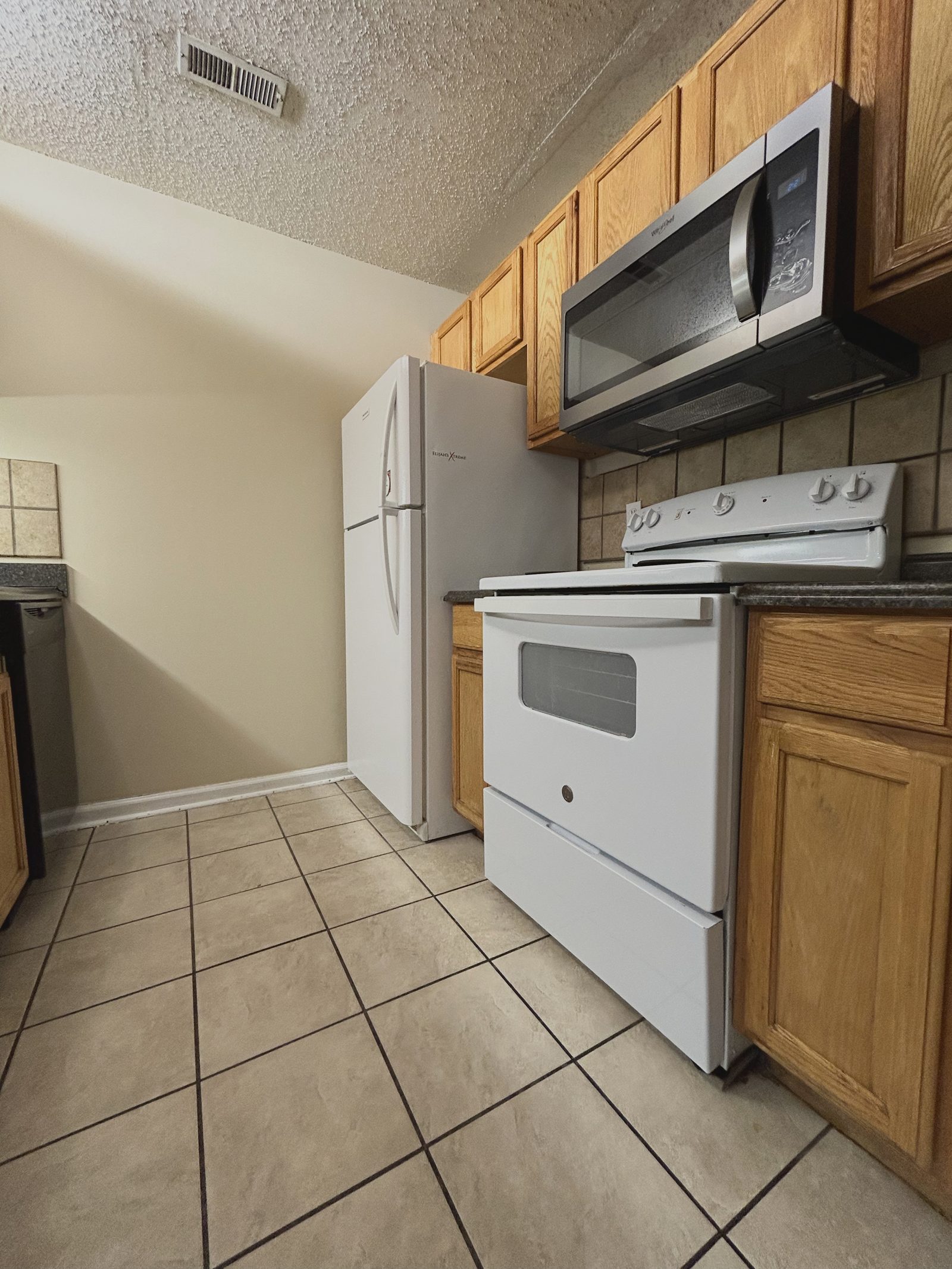
There is a difference between a kitchen people pass through and one where people linger. A table, stools at a counter, comfortable lighting or a kitchen that opens into the living room gives someone a reason to remain after the microwave stops. If every comfortable place in the apartment is behind a bedroom door, everyone naturally retreats to a bedroom.
2. Cook at roughly the same time
Routine creates repetition. If you regularly make dinner around 7 p.m., eventually your roommates know that. Someone walks in. Someone sits down. Someone starts making their own dinner. The food does not need to be impressive. Being there repeatedly matters more than what you are cooking.
3. Occasionally cook too much
An extra portion may be one of the easiest social tools in a shared apartment. “I made too much if you want some.” There is almost no pressure in that sentence. The other person can say yes or no. Nobody has committed to an evening together. But if they say yes, two people who might otherwise have eaten separately are suddenly standing in the same kitchen.
4. Turn one ordinary thing into a routine
Pick something you already do and occasionally do it together. A grocery run. Sunday breakfast. Taco Tuesday. Watching one show. Coffee before class. A routine removes the hardest part of socializing: repeatedly figuring out when, where and whether everyone wants to get together.
5. Pay attention to shared space before choosing housing
Students understandably compare bedrooms, bathrooms, rent, parking and distance from campus when looking at off-campus housing. Shared space deserves attention too. Is there somewhere roommates would actually sit together? Can two people comfortably cook at the same time? Does the kitchen connect naturally to the living space? Is there room to eat together?
These may sound like small details when you are comparing apartments or rooms. Once you live there, they influence how often you actually see the people you live with.
A good shared space cannot manufacture friendship. But it can create more opportunities for friendship to happen. And that is what the old dorm kitchen did so well. It did not make anyone become friends. It simply kept putting people in the same room until they had the chance.
FAQ
Is it harder to make friends living off campus at UNC Charlotte?
Living off campus changes the way students encounter one another. On-campus housing naturally creates repeated contact through hallways, lounges, dining areas and other shared spaces. Off campus, students may need to create more of those opportunities themselves through roommates, classes, organizations, routines and regular activities.
Do college students still cook?
Yes. College students still cook, although convenience foods, prepared meals, campus dining and food delivery give students more alternatives to traditional dorm cooking than previous generations had. The important difference for social life is not whether every student cooks. It is how often eating brings several people into the same space.
Does a communal kitchen actually help you make friends?
A communal kitchen can create conditions that make meeting people easier because students repeatedly encounter one another while doing an ordinary activity. In Sodexo’s 2024–25 Student Lifestyle Survey, 30% of students named campus dining as the top driver of community on their campus. The kitchen itself does not create friendships; the repeated, informal contact it provides creates opportunities for them to develop.
What should I look for in an off-campus kitchen near UNC Charlotte?
Look beyond appliances. Consider whether there is enough counter space for more than one person, comfortable seating nearby, adequate food storage for multiple roommates and a layout that connects the kitchen to the apartment’s shared living space.
Sources
TimelyCare and Active Minds, student mental health survey, February 2024 (n=1,089, ages 18–26), published May 2024.
Sodexo, Student Lifestyle Survey Report, 2024–25.
Inside Higher Ed and Generation Lab, Student Voice survey of 5,025 undergraduates, October 2024.
UNC Charlotte Housing and Residence Life, First-Year Live-On Requirement.
Halah Kablan Ladson is a UNC Charlotte alumna (Class of 2002) and a licensed real estate broker in North and South Carolina with 20+ years in the field. She manages off-campus student housing near UNC Charlotte through Queen City Management Services (QCMS), so she works through leases, housing contracts, and move-in questions like these every week. UNCCharlotteHousing.com is her free resource for UNC Charlotte students and families.